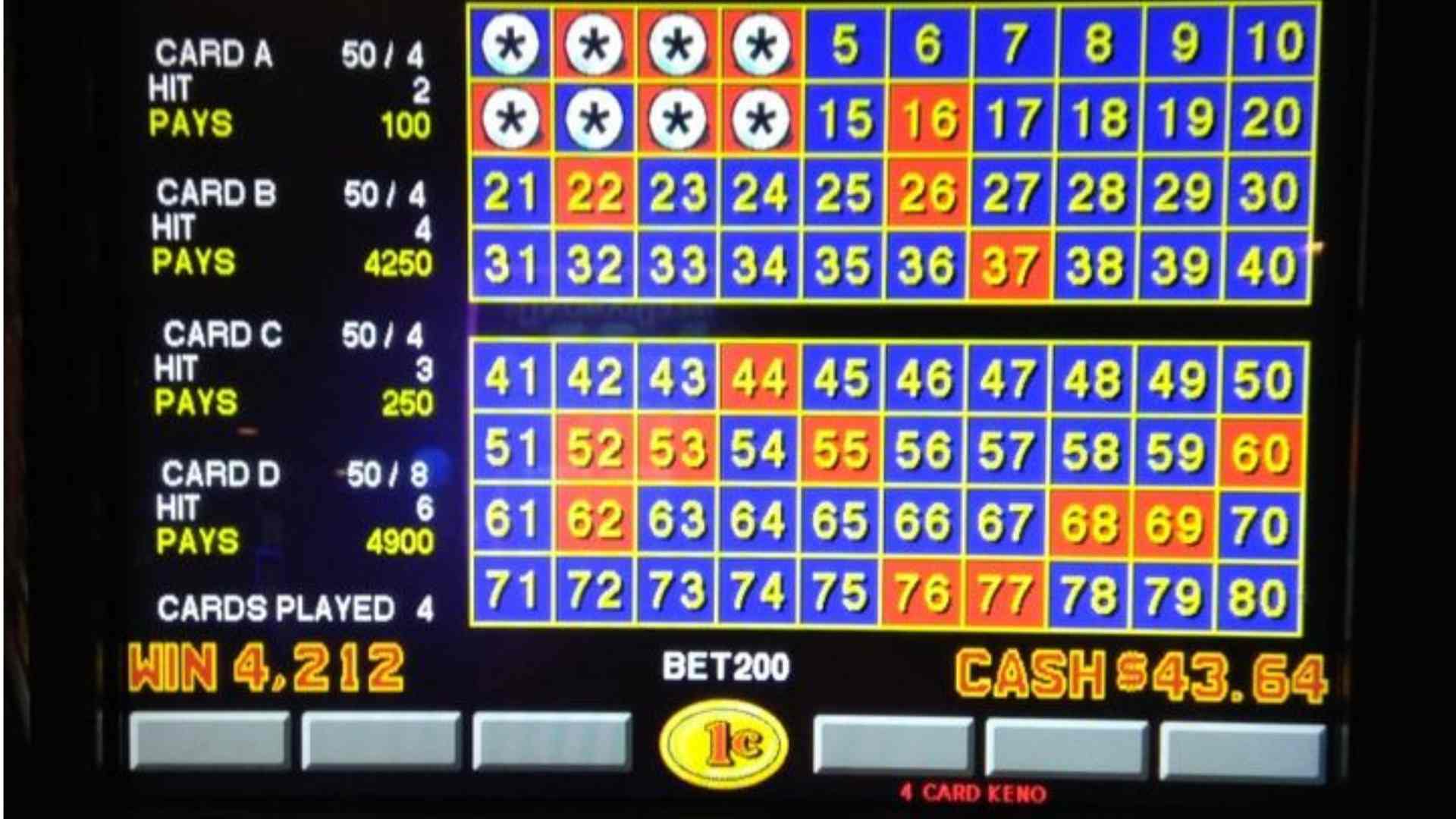
Multi-card entertainment formats, such as modern digital bingo and keno variations, allow participants to play multiple tickets or grids simultaneously. Understanding how theoretical return percentages function across these multi-card setups provides essential clarity on probability and long-term statistical expectations. Evaluating these underlying mechanics helps players form a balanced perspective on modern numeric entertainment.
Defining Theoretical Return to Player in Card Formats
Theoretical Return to Player, often abbreviated as RTP, represents the mathematical percentage of total stakes that a game is designed to pay back over millions of rounds. In single-card or multi-card setups, this statistical value is built directly into the prize rules and paytables. It serves as a benchmark for evaluating theoretical efficiency rather than predicting short-term individual outcomes.
When playing with multiple cards in a single round, the baseline theoretical return percentage for each individual card remains unchanged. Scaling up the number of active cards increases overall entry exposure without altering the underlying mathematical odds of any single grid. Recognizing this core principle prevents common misconceptions regarding total statistical payouts.
How Multi-Card Dynamics Impact Overall Exposure
Managing multiple tickets simultaneously increases the volume of statistical events occurring per unit of time. While activating additional grids boosts the frequency of matching numbers, it also scales the combined stake per round proportionately. Consequently, the aggregated expected return mirrors the base percentage applied across a larger total volume.
This accelerated pacing means that statistical variance exerts its influence much faster during multi-card sessions. Players experience both potential upward trends and normal draw dips in shorter timeframes. Maintaining structured session limits helps balance this increased velocity of play effectively.
The Role of Variance in Multi-Card Statistical Models
Variance measures how widely individual short-term results diverge from the established theoretical return percentage. In multi-card games, high variance can produce periods of frequent small hits alongside stretches without significant matches. Over extended play sequences, these fluctuations gradually align with the game's projected mathematical mean.
Understanding the distinction between short-term outcomes and long-term averages is vital for every casual analyst. No matter how many cards are active at once, independent draws ensure each round remains mathematically isolated. Accepting this reality fosters a rational, grounded approach to digital numeric games.
Practical Guidelines for Evaluating Game Paytables
Before selecting a multi-card format, reviewing the underlying paytable provides vital insight into how prize tiers are distributed. Different variations allocate rewards uniquely, affecting both hit frequency and potential payout scales. Evaluating these financial structures allows enthusiasts to choose formats that match their personal preferences.
Ultimately, clear operational transparency and responsible play habits form the foundation of a positive gaming experience. Prioritizing informed decision-making over emotional reactions ensures that numeric entertainment remains safe, engaging, and structured. Understanding theoretical returns remains the best tool for setting realistic expectations.